A part of FEV Group
Cybersecurity activities required for Euro 7

Cybersecurity under Euro 7: How antitampering, TARA and ISO/SAE 21434 ensure secure emission compliance for cars and heavy-duty trucks.
A part of FEV Group

Cybersecurity under Euro 7: How antitampering, TARA and ISO/SAE 21434 ensure secure emission compliance for cars and heavy-duty trucks.
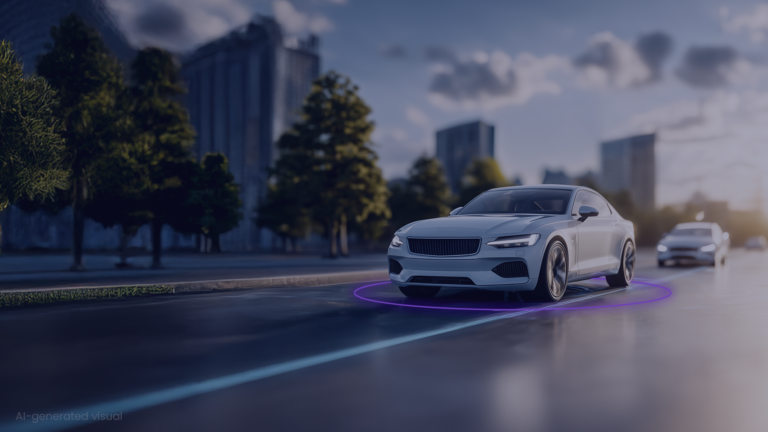
Within this newsletter, you will find the latest updates from FEV.io GmbH on ADAS, autonomous driving, and V2V communication technologies aimed at improving the behavior of automated driving functions in challenging situations. As already highlighted in several publications related to…
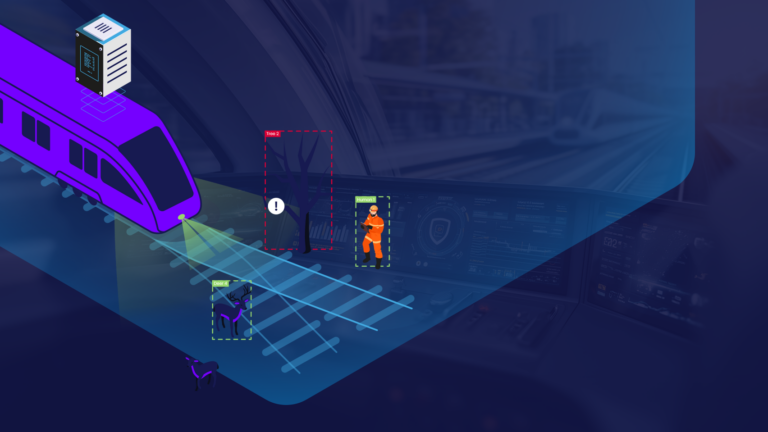
Railway automation requires gradual integration into complex safety systems, with robust perception enabling safer, more efficient operations.
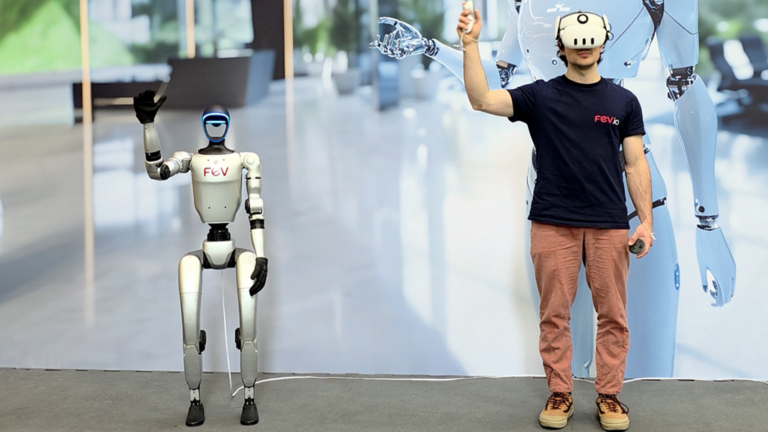
1. Motivation Humanoid robots are rapidly moving from the realm of a temporary hype to becoming a potential disruptor across multiple industries. Unlike traditional industrial robots, humanoid systems offer significantly greater flexibility in unstructured environments thanks to their human‑like form factor, enabling a broad…

1. Motivation for TARA Automation The Threat Analysis and Risk Assessment (TARA) is a mandatory and essential work product of the cybersecurity lifecycle defined by the standard ISO/SAE 21434 for road vehicles. Typically, TARA activities are performed manually by cybersecurity engineers – a time-consuming task that may result in incomplete or incorrect results. Furthermore, the task of performing TARA depends on the individual viewpoint of…

The complexity of modern automotive systems is unprecedented. Vehicles today integrate mechanical components, electronics, and software into tightly coupled cyber-physical systems. This evolution challenges traditional development methods, which often rely on discipline-specific processes and document-based workflows. These approaches struggle to maintain consistency, traceability,…
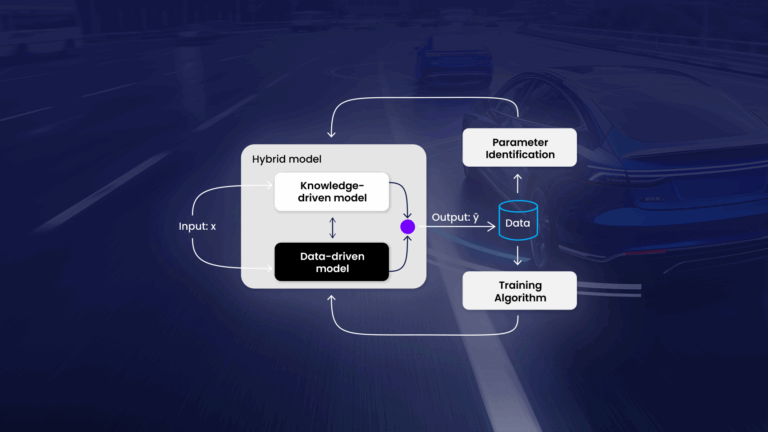
In today’s data-driven landscape, Engineering Analytics is reshaping the way we design, validate, and optimize complex systems. As outlined in our previous newsletter, Engineering Analytics is an interdisciplinary engineering approach that combines technical domain and data science expertise. This integration fosters a collaborative framework where both fields enhance each other’s capabilities. A…
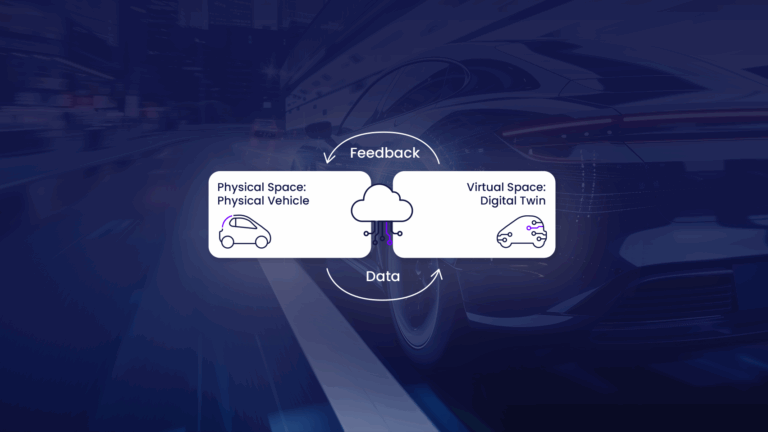
In today’s data-driven world, Engineering Analytics is transforming how we design, test, and optimize complex systems. As described in our last newsletter, Engineering Analytics represents an interdisciplinary approach that integrates technical domain expertise with advanced data science methodologies in a way that allows both to work in an…
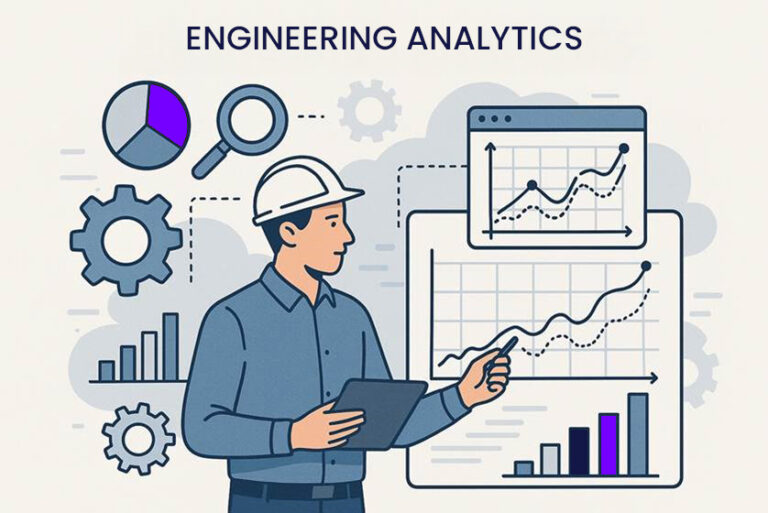
Combining engineering know-how with data science for smarter decisions. Every day, vast amounts of data are generated or already exist. But how can we make sense of it? What insights can it offer? Often, the data is incomplete, distorted, or…

Why Cities Need a Copilot for the Green Transition Europe’s cities are at the frontline of climate change. By 2100, climate-related damages could cost the continent €22.2 trillion if decisive action is delayed. Municipalities understand the urgency – but turning…
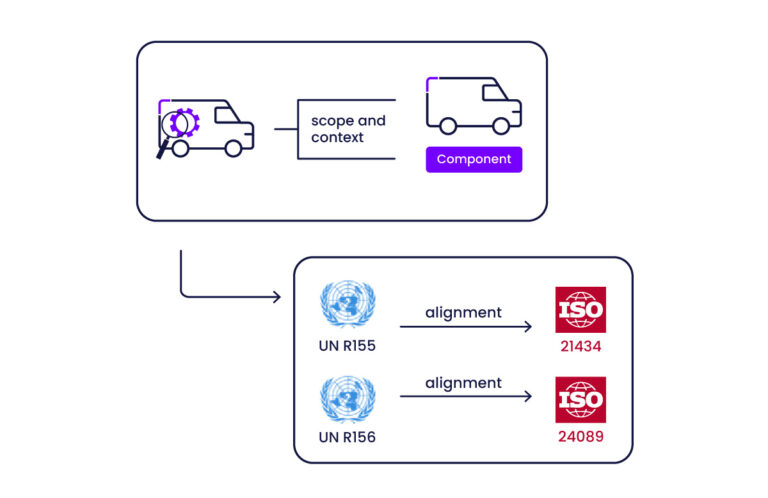
Why Performing a Gap Analysis? Cybersecurity has become a crucial discipline for the automotive domain. This is due to the introduction of advanced technologies such as connected systems, automated driving systems, and over-the-air updates. Additionally, with the introduction of cybersecurity…
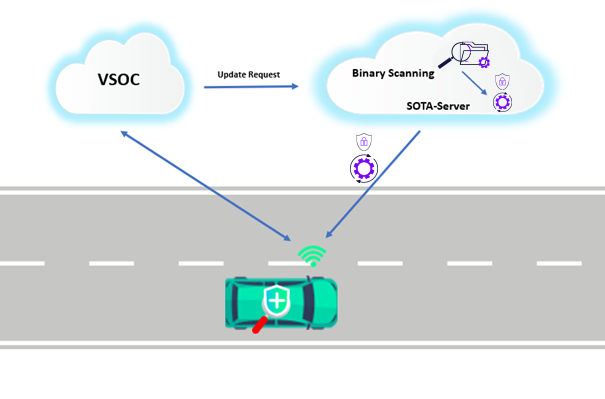
What does a secure Over-The-Air software update tool do? Imagine we have the following situation: the ego vehicle is driving on the road, the monitoring system on the vehicle in front has detected suspicious behaviour of its own and reported…